


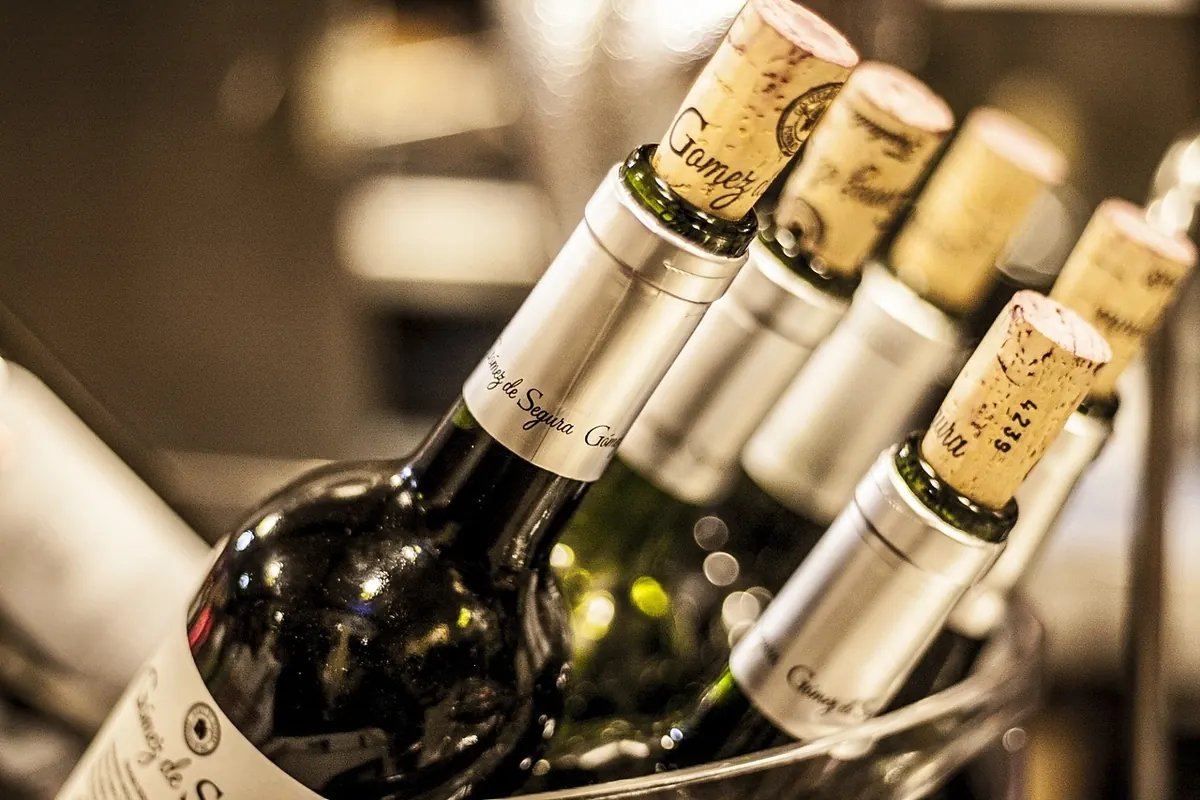
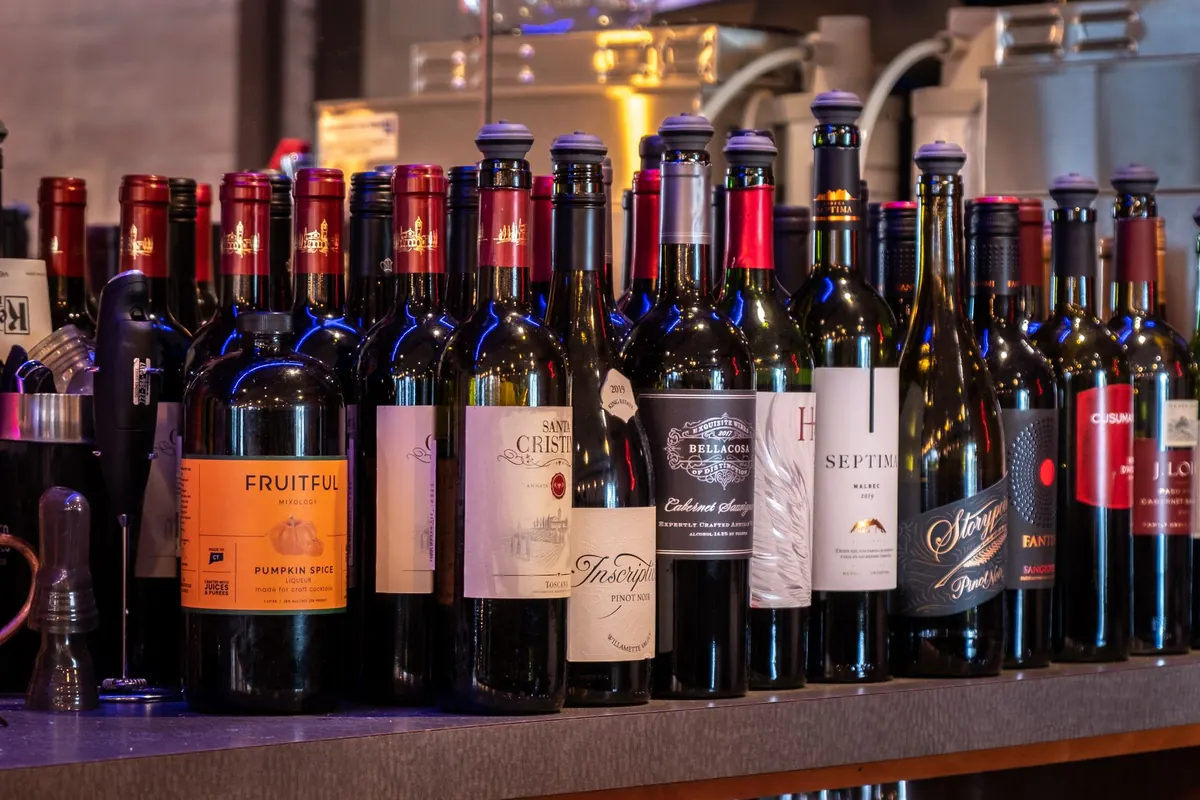

Wine Gifts for People Who 'Like Wine but Aren't Experts': A £20–£50 Checklist
Buying wine for someone who says "I like wine but I'm not an expert" can be harder than buying for a collector. A collector has a list. Your friend has a habit: a glass on a Friday, a bottle with Sunday lunch, something cold in the fridge for unexpected guests. The gift needs to fit that habit without turning into a test. Between £20 and £50 you can find something genuinely good, add a small useful extra, and write a note that tells them how to enjoy it. This is a checklist, not a lecture. No swirling required.
Start with the person, not the label
Before you look at bottles, think about what they already drink. If they order Pinot Grigio every time, a rich oaked Chardonnay may sit untouched. If they love a smooth red, a young tannic wine will taste harsh to them. If they have a cupboard of nice glasses but no corkscrew, the gift is obvious. The best wine gift feels like a better version of something they already like, not a puzzle they have to solve.
Ask yourself three questions:
- What do they drink now? Buy in that family, then step up the quality.
- What do they avoid? Sweet wines, heavy reds, or anything too fizzy may be wasted.
- How do they serve it? From the fridge, on the sofa, or only when guests arrive.
If they drink white wine from the fridge, buy a white that tastes good cold. If they drink red on the sofa, buy something soft and fruity. If they only open a bottle when friends come over, sparkling is rarely a mistake. If they live alone or drink sparingly, a half-bottle or a good screwcap wine is more thoughtful than a magnum.
It also helps to picture the moment they will open it. Is it a Tuesday night after work? A long Sunday lunch? A birthday toast? If you cannot picture the moment, you are guessing. If you can, you are halfway to a good gift. Write that moment down before you go shopping.
The £20–£50 bottle checklist
You don't need to know a region's soil type. You need a bottle that is reliable, enjoyable and easy to serve. Use this list as a filter.
- Buy a known style done well. A good Côtes du Rhône or Albariño is more likely to please than an obscure grape chosen for novelty.
- Choose a bottle that suits how they serve it. No decanter? Avoid very young, tannic reds. No ice bucket? Skip sparkling unless you're also giving one.
- Look for a screwcap if they open bottles casually. It keeps the wine fresh and removes the hunt for a corkscrew.
- Consider a half-bottle. For a single person or a light drinker, two good half-bottles beat one large bottle going stale.
- Read the back label. If it says "drink within a year" or "serve chilled", that's useful. If it's full of technical terms, put it back.
- Ask the shop for help. Independent wine shops are usually happy to suggest a bottle in your budget once you describe the person.
A £20–£50 budget does not mean you must spend the full amount. A thoughtful bottle with a simple stopper can feel more generous than an expensive bottle with nothing else. The gift is the whole package: bottle, extra, note.
One more filter: avoid wines that need an occasion. If the bottle only makes sense with a rib of beef or a decade in a cellar, it is not a gift for a casual drinker. You want something they can open on a normal evening and feel pleased, not pressured.
Gifts by personality
The crisp white drinker
Look for Albariño, Picpoul de Pinet, Muscadet, dry Riesling, or an unoaked Chardonnay. These are fresh, food-friendly and rarely heavy. Serve well chilled. A bottle plus a simple stopper is a complete gift.
The smooth red drinker
Pinot Noir, Beaujolais-Villages, Côtes du Rhône, and softer Malbecs are safe. Avoid very young Cabernet Sauvignon or anything described as "powerful" unless you know they like that style. If they enjoy a glass with pasta or roast chicken, a medium-bodied red is the sweet spot.
The bubbles person
Crémant, Cava, and Prosecco offer reliable sparkling wine without the Champagne price tag. If your budget stretches and you know they like a celebratory bottle, an English sparkling wine from a good shop is a lovely choice. Add a note: "Keep this cold and open it for no reason at all."
The curious but cautious
They want to try something new but not be lectured. Choose a grape or region with a clear, friendly flavour: Grüner Veltliner, Assyrtiko, Portuguese red, or a Sicilian white. Write one sentence on the card: "This is dry and fresh—try it with something salty." Or "This is soft and fruity—serve it slightly cool." That's enough. It gives them a clue without turning the gift into homework.
Small extras that make the bottle feel like a gift
Wine alone can feel like a chore if they don't have the right tools. A small extra solves a problem and shows you thought about the whole evening. You don't need to spend much. The bottle is the main event; the extra is the welcome.
- A good stopper. It keeps an open bottle fresh for a day or two, which matters if they drink one glass at a time.
- A simple corkscrew. A waiter's friend or a basic twist model is more useful than a novelty gadget.
- Two decent glasses. If they usually drink from mismatched mugs, two everyday wine glasses can transform the experience.
- A wine-preserving spray or vacuum pump. Ideal for the person who likes a glass but rarely finishes a bottle.
- A small snack. Good cheese, olives, salted nuts or good chocolate turn a bottle into an evening.
If you're buying for a household with children or a busy kitchen, a bottle bag or a reusable cooler sleeve can be surprisingly welcome. It is not romantic, but it is useful, and useful gifts get used.
How to write the note
The note is where you remove the pressure. Don't write tasting notes that sound like an exam. Write one or two sentences: what it is, how to serve it, and when to open it. That's it.
"A fresh white for the fridge. Open it with something salty—cheese, olives, crisps. No need to save it."
"Soft red, good with pizza or Sunday leftovers. Serve it slightly cool if you want it extra smooth."
Avoid phrases like "great structure" or "notes of graphite" unless you know they enjoy that language. The goal is confidence, not performance. If they text you later saying "that was nice", you've done your job.
A quick budget plan
If you're staring at a shelf and not sure how to split your budget, try one of these simple combinations.
- Around £20: One reliable bottle—Albariño, Beaujolais-Villages, or Crémant—plus a handwritten note. Keep it simple.Photo: https://kaboompics.com/ / Pexels