


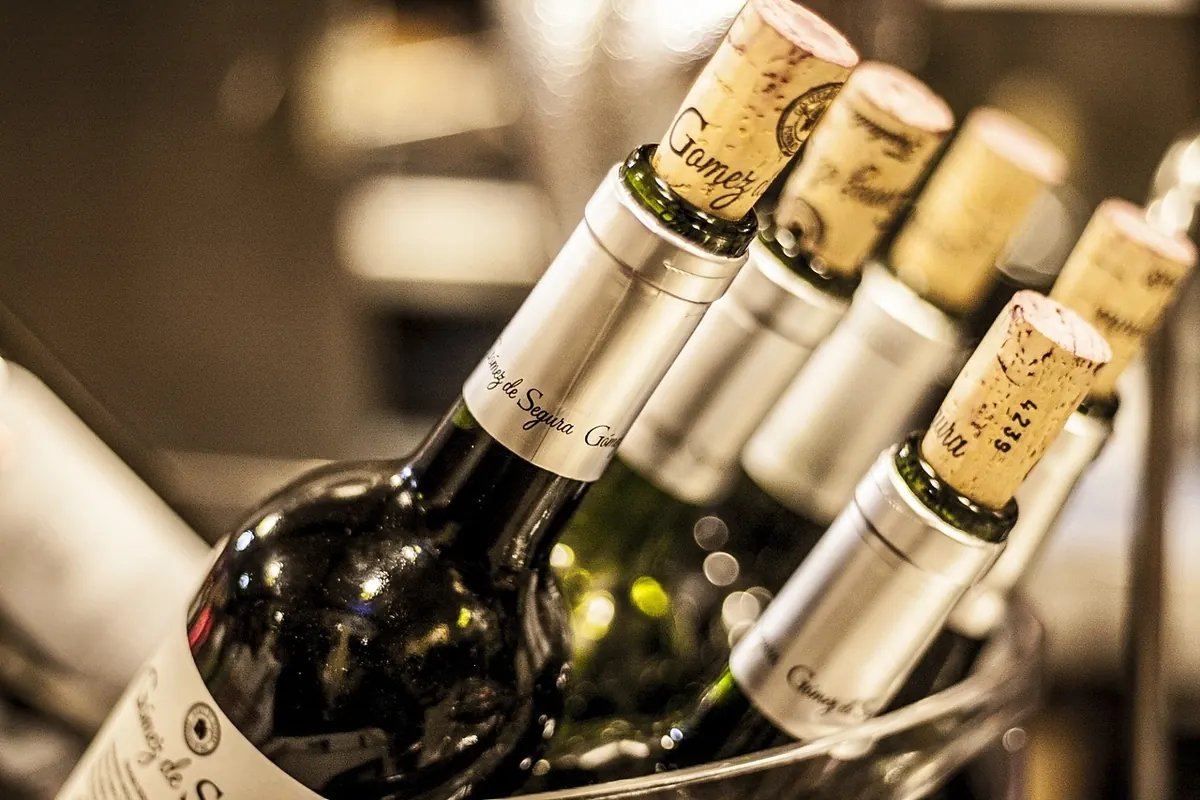


Three bottles, three price tags, one decision. Prosecco, Cava and Champagne all pour with a fizz and a flourish, but they are made in different places, by different methods, and they sit in very different price brackets on UK shelves. Knowing which is which turns a lucky dip into a confident purchase.
The shorthand version: Prosecco for bright, fresh fruit and the best value; Cava if you want something drier and a little more savoury without spending much more; Champagne when the occasion or the food deserves it. The detail is where it gets interesting.
Three wines, three methods
Prosecco
Prosecco comes from north-east Italy, mainly the Veneto and Friuli regions, with the best-known hillside zones around Conegliano and Valdobbiadene. It is made mostly from the Glera grape, and the second fermentation — the one that creates the bubbles — takes place in large stainless-steel tanks rather than in the bottle. That tank method is quicker and cheaper, and it keeps the aromas firmly in the orchard: pear, green apple, white peach, acacia blossom.
Cava
Cava is Spanish, and most of it comes from Penedès in Catalonia. The main grapes are Macabeo, Xarel·lo and Parellada — varieties few UK drinkers have heard of, which is one reason Cava is often priced below what its production method suggests. It is made like Champagne: the second fermentation happens inside the bottle, followed by time resting on the spent yeast. That lees ageing gives it a nutty, bready edge.
Champagne
Champagne can only come from the Champagne region of France, and only from permitted grapes — Chardonnay, Pinot Noir and Pinot Meunier chief among them. It also ferments in the bottle, then ages on the lees for longer than most shoppers assume. The result is the combination people pay for: citrus and white flowers layered with toast, brioche and hazelnut.
Price: what you are actually paying for
Ask most shoppers why Prosecco fills the trolley most weeks and Champagne appears on special occasions, and the answer is money. The order is predictable — Prosecco cheapest, Cava just above, Champagne well above both — but the gap is not always justified by what is in the glass.
- Prosecco: cheap to produce and best drunk young, which suits a Tuesday night and a big party equally well.
- Cava: bottle-fermented and often aged for years, yet frequently priced nearer to Prosecco. The best-value bottle on most shelves.
- Champagne: land prices, brand prestige, longer ageing and, in some cases, real complexity. You are paying for all four, in varying proportions.
Own-label Cava is where the value is most obvious. For Prosecco, look for Conegliano Valdobbiadene Prosecco Superiore rather than plain Prosecco DOC if you want a drier, more focused wine. For Champagne, check the ageing information on the back label. It pays to compare prices too, because supermarket promotions swing far more than the wines do.
Sweetness: read the label before you buy
This is the most useful thing to understand, because the words on the label rarely mean what people assume. They describe how much sugar is left in the finished wine, measured in grams per litre — and, confusingly, "Extra Dry" is sweeter than "Brut" in all three wines.
- Brut Nature / Pas Dosé / Brut Zero: no sugar added. Bone dry, sometimes austere.
- Extra Brut: very dry, barely any sweetness.
- Brut: the standard dry style and the safest all-rounder with food.
- Extra Dry: off-dry and much sweeter than the name suggests, especially common in Prosecco.
- Dry / Sec: noticeably sweet.
- Demi-Sec: sweet enough to serve with dessert.
For everyday drinking, Brut is the reliable choice. If you are pouring Prosecco at a party and want broad appeal, a slightly sweeter style can work — just know that is what you are buying.
Flavour: what each one tastes like
Prosecco is the fruitiest and simplest of the three: soft mousse, pear and green apple, a clean finish. It is not a wine to cellar and does not pretend to be.
Cava sits between the other two. Younger bottles are crisp and citrus-led with a bitter almond note on the finish; Reserva and Gran Reserva versions pick up pastry and toasted nuts. It feels drier and grippier than Prosecco.
Champagne is the most structured. Non-vintage Brut tends to show green apple and citrus over biscuit; blanc de blancs is tauter and more mineral; blanc de noirs is rounder and red-fruit led. The bubbles are finer and last longer in the glass.
Occasions and food: matching the bottle to the moment
Serve whatever you enjoy with whatever you enjoy is true but unhelpful advice. A few pairings genuinely work better than others.
Prosecco
- Aperitivo hour: olives, salted nuts, crisps, taralli.
- Fried and salty food: fish and chips, tempura, arancini.
- Light cured meats, soft cheeses and fruit-based desserts.
- Big informal gatherings where bottles empty quickly.
Cava
- Tapas: jamón, marcona almonds, padrón peppers, tortilla.
- Seafood: prawns, squid, mussels, grilled fish.
- Paella, roast chicken and garlicky, savoury dishes.
Champagne
- Oysters, smoked salmon, caviar if the budget stretches.
- Roast poultry, mushroom dishes, creamy sauces.
- Aged hard cheeses such as Comté or Parmesan.
- Toasts, weddings, ann
Photo: Сергей Тарасов / Pexels