


Rosé is the one wine you can shop for by eye. The shade in the glass — pale onion skin, vivid coral, deep ruby-pink, coppery orange — hints at the grapes, the winemaking and the way the wine will taste before you have read a word on the back label.
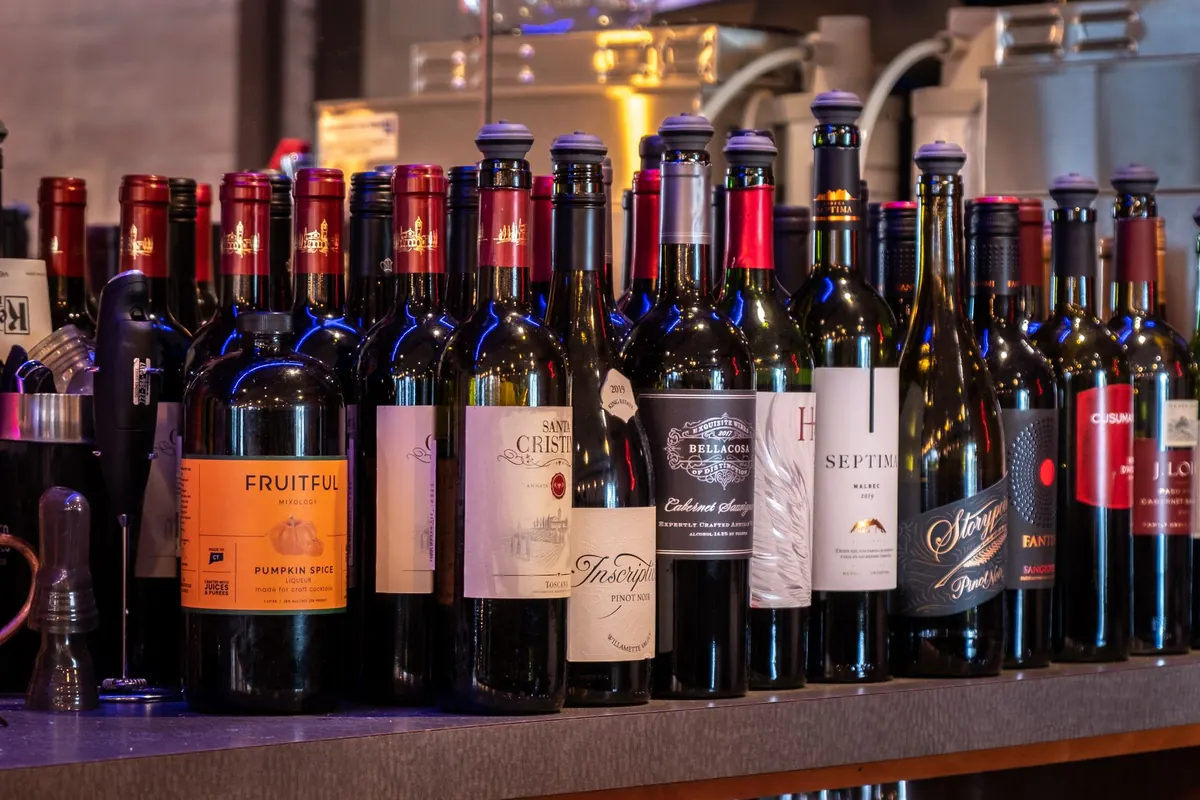
Bottle glass and shop lighting work against you, though. A Provence rosé that looks nearly colourless on the shelf can pour a delicate, pretty pink, and a deep Spanish rosado looks almost red through green glass. Where you can, judge the colour in the glass rather than the bottle, or hold the bottle against something white.
Why rosé has a colour at all
The juice inside almost every red grape is clear. The colour sits in the skins, in pigments called anthocyanins, and the winemaker decides how much of it reaches the bottle by controlling how long that juice stays in contact with them. There are four routes, and each leaves its own mark.
- Direct pressing. Whole bunches are pressed gently and the juice goes straight to tank, with only minutes or hours on the skins. This gives the palest, most delicate pinks.
- Short maceration. Juice soaks with the skins for a few hours up to a day or two before being drained off. Most classic rosé is made this way, and the timing sets the depth.
- Saignée, or bleeding. A red wine in progress has some pink juice run off the tank early, which concentrates the remaining red. The bled juice becomes a deeper, more structured rosé.
- Blending. A little red wine added to white. It is permitted for still rosé in much of Europe and widely used for sparkling, giving a consistent colour and a simple, fruity style.
Grape variety and climate do the rest. Grenache, Cinsault and Pinot Noir are thin-skinned and generous with pale shades; Syrah, Mourvèdre, Tempranillo and Cabernet Sauvignon are thicker-skinned and give more pigment. Hot, sunny sites build thicker skins, so the same grape can give a whisper of pink in the Loire and a full ruby in Navarra.
The colour scale, from palest to deepest
Label language is loose, but the practical bands are these.
Pale onion skin — the Provençal pink
Think Provence, Sancerre, most English rosé and pale Pinot Noir from anywhere cool. Expect white peach, pink grapefruit, redcurrant and a faint herbal edge, with a dry, crisp finish. It is a wine for a warm afternoon and a plate of shellfish, not for a steak.
Mid pink — salmon and coral
A step up in fruit and weight, often Pinot Noir, Grenache or a blend. Strawberry, raspberry and watermelon come through, still fresh but with a rounder texture. Versatile and easy to like; a good default when you are buying for a mixed table.
Deep pink — ruby and cherry
Often Tempranillo, Syrah, Mourvèdre, Sangiovese or Montepulciano, and often the result of saignée. Look for cherry, blackcurrant leaf, citrus peel and a twist of spice, with enough grip to handle grilled food. Tavel and Lirac in the southern Rhône, Navarra rosado and Cerasuolo d'Abruzzo are reliable examples.
Copper, orange and amber
Two things produce this: grape and site, or time in bottle. Young coppery wines — from Pinot Gris, or Grenache grown somewhere hot — tend to taste of dried herbs, apricot, orange peel and bitter cherry. Older rosé fades towards onion skin and takes on nutty, savoury notes. This is not the same as orange wine, which is white grapes fermented on their skins.
What colour tells you about flavour — and what it doesn't
More colour generally means more skin contact, which means more flavour compounds, more texture and a touch more tannin. That is a reliable tendency, not a rule. Three things colour cannot tell you:
- Sweetness. Tavel is deep and bone dry; plenty of pale pinks are off-dry. Check the label for dry, sec, demi-sec or moelleux, and glance at the alcohol level, which is often higher in sweeter styles.
- Quality. A deep rosé is not a better wine than a pale one. Colour is a style choice, not a score out of ten.
- How it was made. A very pale wine might be a careful direct-press or a heavily filtered one. The shade alone will not separate them.
Matching the shade to the plate
Colour is the fastest food-matching tool you have with rosé.
- Pale: oysters, prawns, grilled fish, goat's cheese, green salads, light pasta, sushi.
- Mid pink: roast chicken, charcuterie, grilled vegetables, pizza, paella, soft cheeses.
- Deep pink: lamb, burgers, sausages, chorizo, spiced dishes, hard cheeses.
- Copper and older rosé: cured meats, roast peppers and aubergine, dishes with dried herbs and warm spice.
Shopping and serving: five practical tips
- Taste with your eyes in the glass, not the bottle. In a shop, hold the bottle against a white surface; if you are out, ask for a small pour first.
- Read the region alongside the colour. Provence and Sancerre lean pale, Tavel and Cerasuolo d'Abruzzo lean deep, Rioja rosado sits in the middle.
- Check the vintage. Most rosé is made to be drunk within a year or so of bottling; deeper styles can hold for two. A three-year-old pale pink will most likely be tired.
- Serve it cold, but not frozen. Around 8–10°C for pale styles, 10–12°C for deeper ones. Too warm and it tastes flabby; too cold and a good wine tastes of nothing.
- Use a normal white wine glass. A wide bowl lets the fruit and herbs open up; a narrow flute traps them.
The short version for the shop
Pale pink tends to mean delicate, crisp and citrus-led. Mid pink means soft red fruit and easy drinking. Deep pink means cherry, spice and enough structure for the grill. Copper usually means dried herbs, apricot and, if the wine is a few years old, a savoury edge.
If you are new to all this, buy two bottles at a similar price in very different shades — a pale Provence-style pink and a deep Spanish or Italian rosado — and open them side by side with dinner. One evening of comparing will teach you more than any colour chart.
Photo: 2210273 / Pixabay