

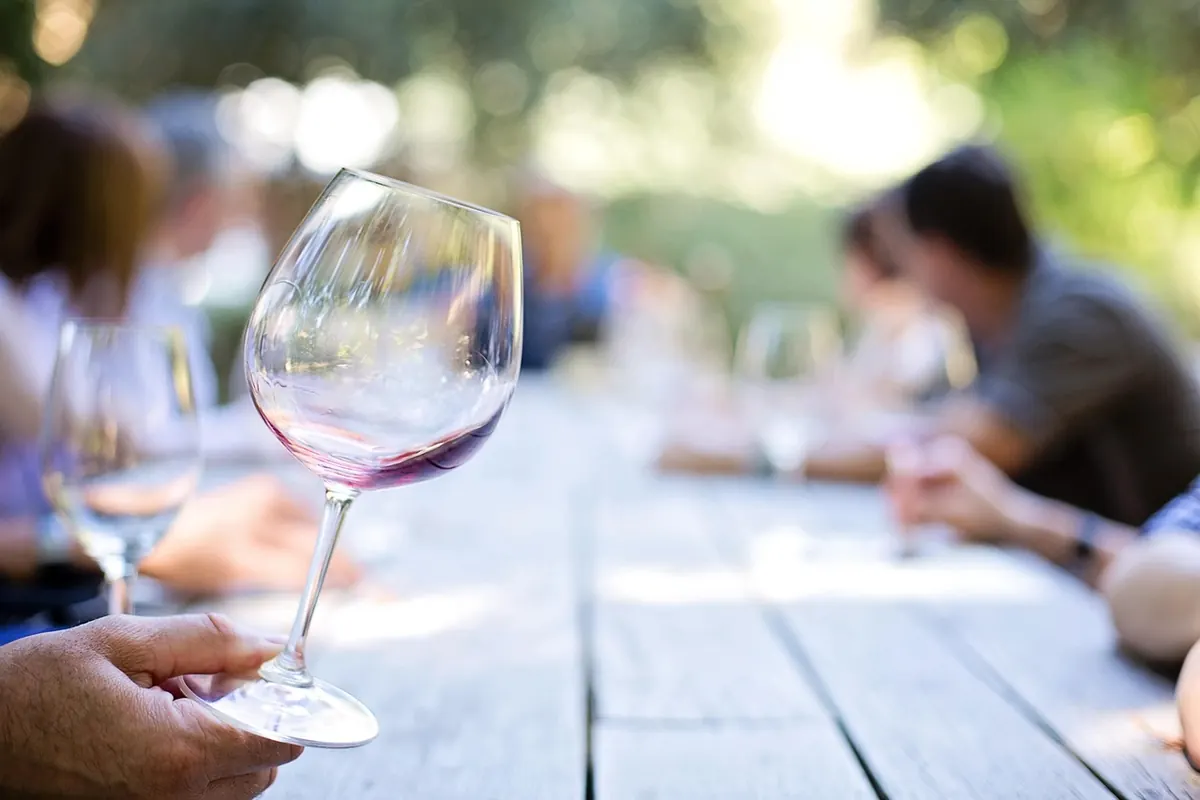
You do not need a cellar, a matching set of decanters or a sommelier's vocabulary to run a good red wine tasting at home. You need four bottles, a table with enough room, and a plan for the order you will pour them in. Everything else — glasses, water, somewhere to spit — is small logistics. Sort those out in advance and the evening runs itself, leaving your guests free to do the only thing that really matters: tasting the wine and arguing about it.
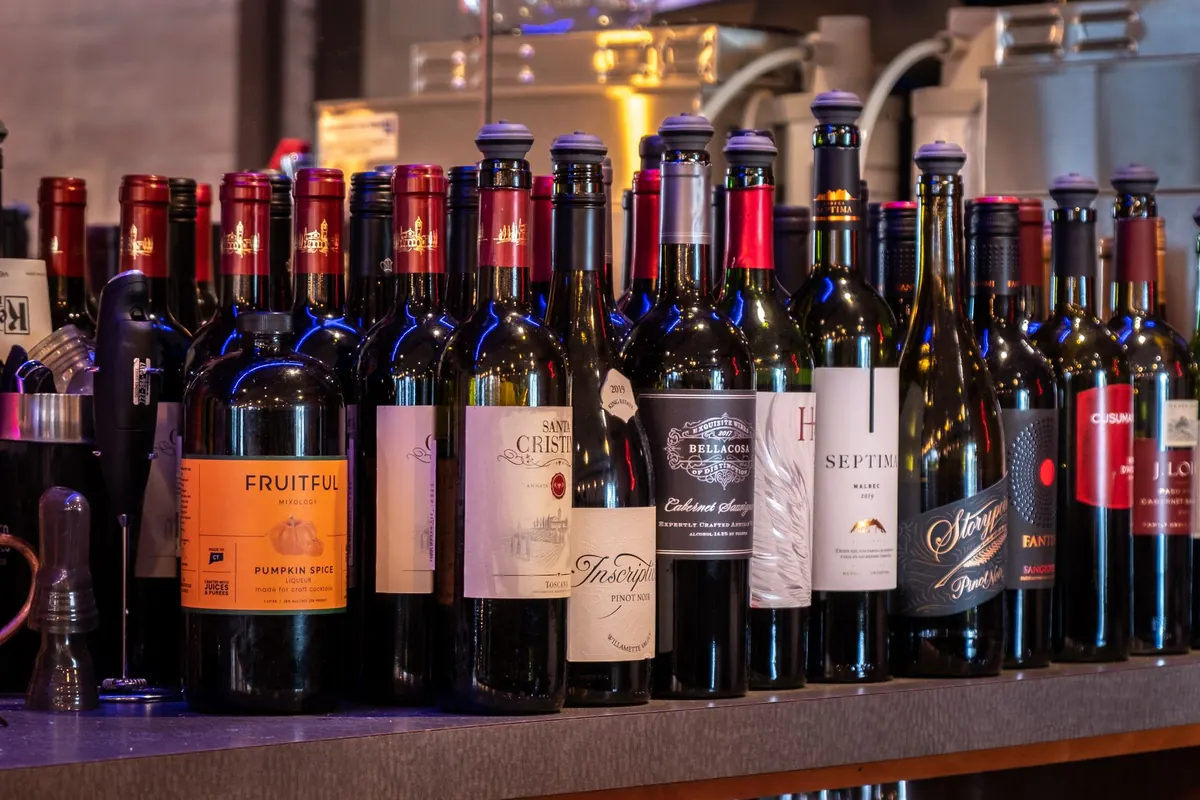
Choose Four Reds With a Thread Between Them
The difference between a tasting that works and one that drifts is whether the wines have something to say to each other. Four bottles grabbed at random can still be enjoyable, but four chosen around a theme will teach everyone something, including you. Pick one angle and build around it:
- One grape, four places. Four Pinot Noirs from Burgundy, Oregon, Central Otago and Germany taste far more different than most people expect, and the comparison does the teaching for you.
- One region, four grapes. Take Rioja and pour Tempranillo, Garnacha, Graciano and Mazuelo, or do the same thing with a corner of southern France.
- A body ladder. Start light with Beaujolais or a cool-climate Pinot Noir, step up through Chianti Classico and Rioja Reserva, and finish with Malbec, Syrah or Cabernet Sauvignon.
- Old world against new world. Pair a European classic with its counterpart from elsewhere — Sangiovese beside a Californian Sangiovese, Rhône Syrah beside a Barossa Shiraz.
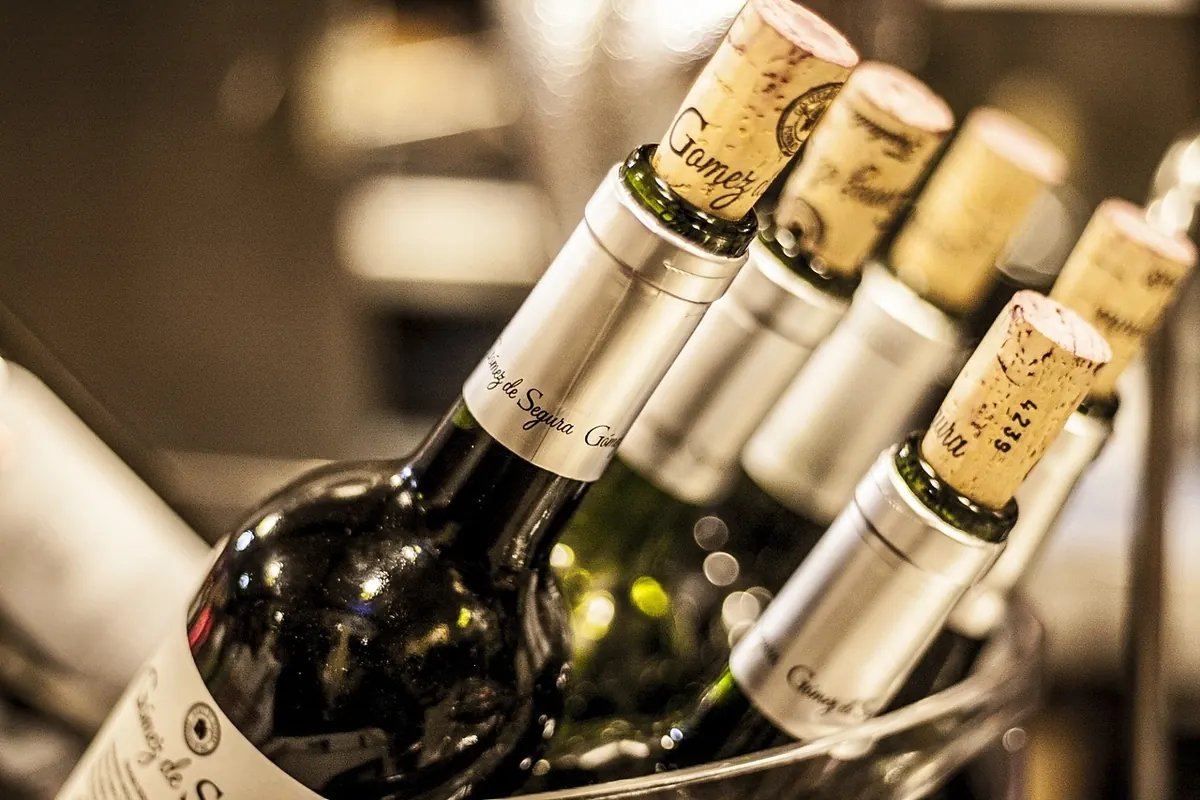
Four bottles is plenty for six people. A standard 75cl bottle gives roughly ten small tasting pours, or four to six proper glasses if people are drinking rather than sipping. Check with guests about anything they cannot drink, and put a jug of water on the table before the first cork is pulled.
Keep the budget sane. A tasting is not a competition to see who spent the most. Four well-chosen £12 to £20 bottles usually teach more than one expensive showpiece, because you can compare them without feeling guilty about every sip. If you are buying from a good wine shop, tell the staff what theme you have chosen and ask for bottles that are ready to drink now. There is no point building an evening around a wine that needs another five years in the cellar.
Set the Order Before You Open Anything
Wine tastes different depending on what came before it. A hefty Cabernet poured first will flatten the delicate Pinot that follows, and after two tannic wines most palates stop registering much at all. The usual rule is light to full, low tannin to high, young before old. It is not a law, but it works, and it means the final wine of the night is the one that leaves the strongest impression.
Write the order down, number the bottles with sticky labels and keep the list where everyone can see it. If one bottle is clearly the star, decide its place before you open anything. Saving it for last sounds generous, but by then the palate is tired; plenty of hosts pour the best wine third and finish with something friendlier. Either way, choose deliberately rather than hoping for the best.
A simple six-person flight might look like this:
- Wine one: a light, juicy red such as Beaujolais-Villages or a cool-climate Pinot Noir.
- Wine two: a medium-bodied red with more structure, such as Chianti Classico or a young Rioja.
- Wine three: a richer red with noticeable tannin, such as Malbec, Syrah or Cabernet Sauvignon.
- Wine four: a softer, friendlier finish, such as a Grenache-based blend or a mature Rioja Reserva.
Pour small measures — about an inch in the glass. You can always go back for more, and a small pour keeps everyone’s palate fresher for longer.
Glassware: Fewer Glasses Than You Think
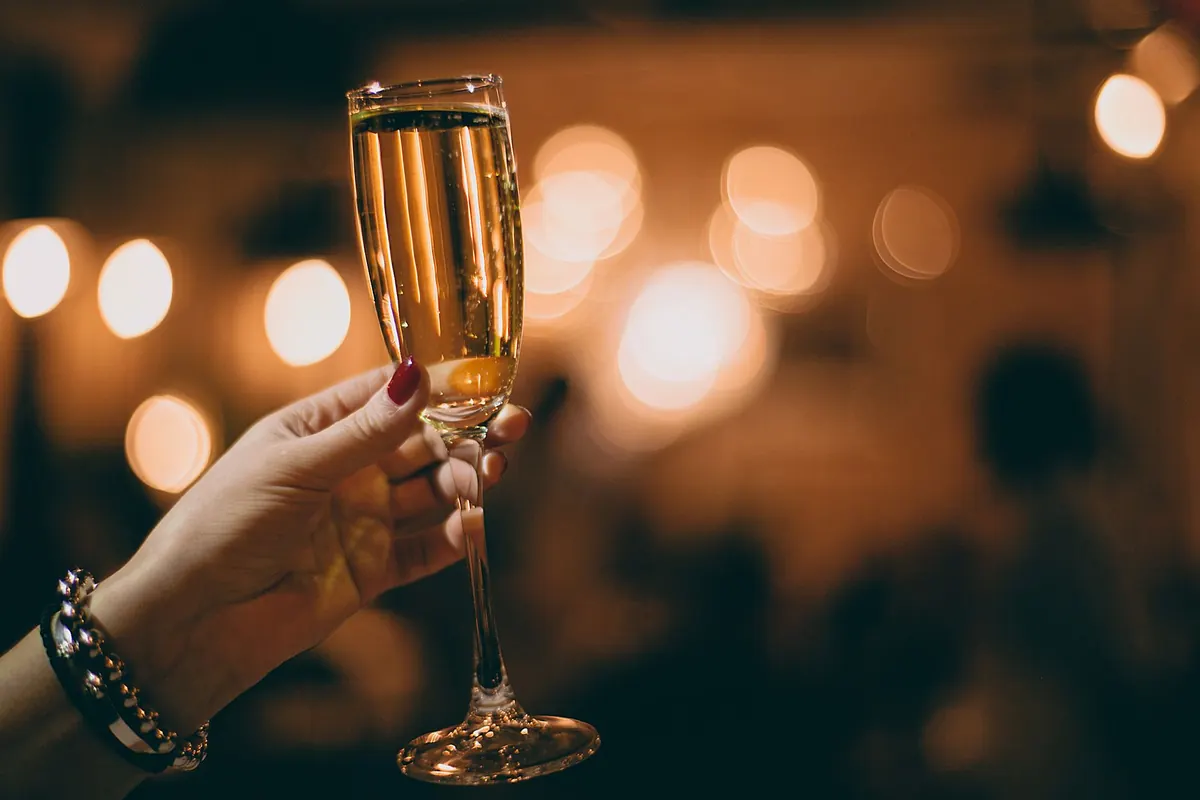
Ideally each taster has a fresh glass for every wine. In practice, most homes do not have twenty-four matching glasses, and that is fine. One decent glass per person will do. Rinse it between wines with a splash of water, shake it out over the spittoon, and carry on.
Shape matters more than price. Look for a stemmed glass with a rounded bowl that narrows slightly at the rim — a standard tasting glass or a modest Burgundy bowl is ideal. A tumbler is no good: it traps the aroma, warms the wine in your hand and makes swirling impossible. Wash glasses in hot water without detergent, because even a trace of washing-up liquid flattens the nose, and dry them with a clean cloth. Pour no more than a third full and leave room to swirl.
If you are short on glasses, ask each guest to bring one stemmed glass from home. It sounds informal because it is, but it solves the problem instantly. If you have two glasses per person, even better: one can rest while the other is being used, and you can compare the current wine with the one before it.
Spittoons, Water and the Rest of the Table
Spitting is not rude at a tasting; it is practical. If you swallow every pour, the fourth wine will taste like the first and your notes will be worthless. Put an opaque cup, mug or small pitcher within reach of every two guests, or use a large communal bucket lined with a plastic bag. Paper towels or napkins nearby make the whole business less fussy. If someone does not want to spit, that is their choice, but give them the option.
Water does two jobs: it keeps everyone hydrated, and it helps rinse glasses between wines. Set out one jug for drinking and, if you have room, a second for rinsing. Still water is usually better than sparkling for cleaning the palate, though a little sparkle can refresh a mouth that feels coated after a tannic red.
Set out the rest of the table before the first bottle is opened: a corkscrew, a towel for drips, a bin or bowl for used corks, pens and paper for notes. A printed sheet with the wine names and a few blank lines is enough. Do not make it look like an exam. The point is to help people remember what they liked, not to grade them on descriptors.
Nibbles and Palate Cleansers That Actually Help
Food can rescue a tasting or ruin it. The goal is neutral: something that absorbs alcohol and settles the stomach without shouting over the wine. Plain bread, neutral crackers, mild cheese and a bowl of olives are all fine. So are unsalted nuts, though they can leave oil on the palate. Keep the portions small and replenish quietly.
- Plain bread or neutral crackers. The classic palate cleanser for a reason.
- Mild cheese. A young Comté, a soft goats’ cheese or a simple cheddar works far better than a powerful blue.
- Water. Still or lightly sparkling, available throughout.
- Something bland and starchy. A few boiled new potatoes or plain pasta twists can reset a tired mouth, odd as it sounds.
Skip strong blue cheese, spicy salami, vinegar-heavy salads, garlic dip and anything heavily seasoned. They will flatten the wine and make every bottle taste vaguely of the same thing. Save the big flavours for after the tasting, when the notes are written and the arguments have moved on to something else.
Run the Tasting: A Simple Flow for the Evening
Once the first bottle is open, pour a small measure for each guest and give everyone a minute. Look at the wine against a white background — a napkin will do. Swirl it gently. Smell it before you taste it. Then take a sip, let it move around your mouth, and either swallow or spit. Only after that should the conversation start.
Ask three simple questions per wine: What does it smell like? How does it feel in your mouth — light or heavy, smooth or grippy? How long does the finish last? You do not need exotic vocabulary. “Smells like cherries and wet earth” is a perfectly good note. “Tastes like the inside of a church” is also allowed, provided you can explain it.
The best tasting note is not the most poetic one; it is the one you will still understand when you open the same bottle next month.
Give each wine five or ten minutes before moving on. If someone dislikes a bottle, that is useful information, not a failure. The whole point of tasting four wines side by side is to discover what you actually like when you are paying attention. By the end, everyone should have a favourite, a least favourite, and at least one surprise.
A Five-Minute Pre-Party Checklist
Before guests arrive, run through this list once. It takes less time than opening the first bottle.
- Bottles in pouring order, labels facing out, corkscrew ready.
- Glasses clean, polished and free of detergent smell.
- Water jug, spittoon and paper towels on the table.
- Bread, crackers or mild cheese within reach.
- Pen and paper for notes, plus the printed wine list.
- A bin for corks and a towel for spills.
Finally, remember that the best host is not the one with the most expensive bottles or the most technical language. It is the one who keeps the glasses topped up, the water moving, and the conversation easy. Get the order right, keep the food plain, and let the wines do the rest.
Photo: JillWellington / Pixabay